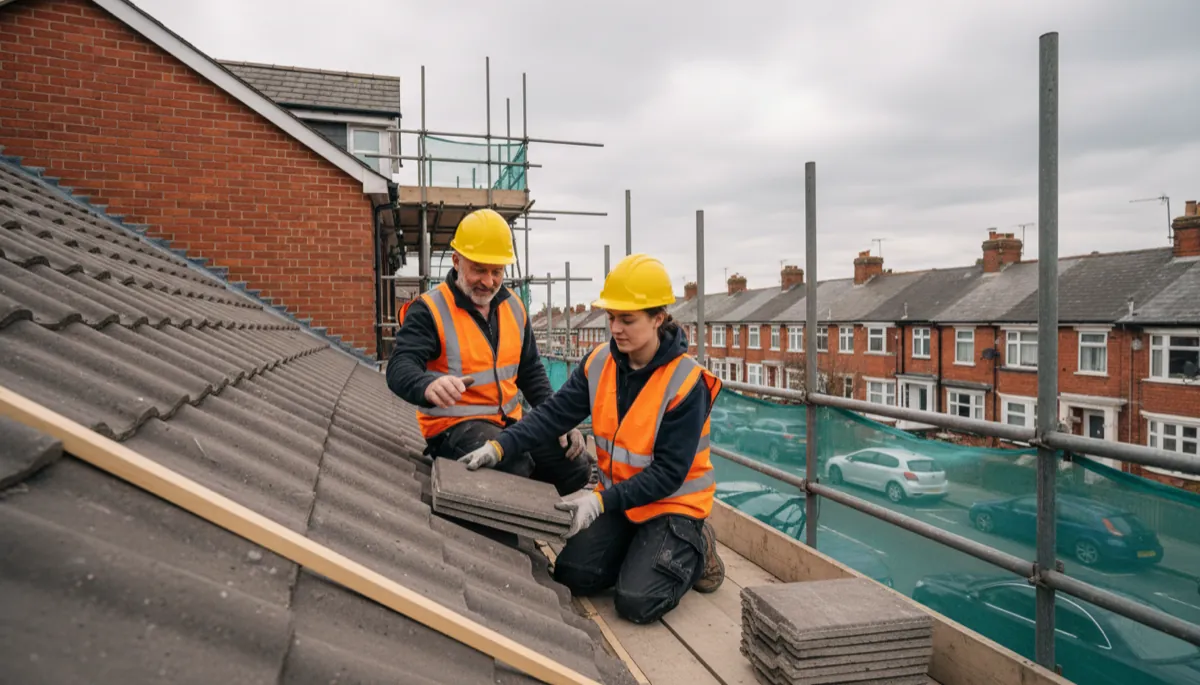
Starting a roofing business in the UK is a realistic goal for any experienced roofer. Demand is consistent — every building needs a roof, weather damage is constant, and good roofers are genuinely hard to find in most areas. A well-run sole trader operation can clear £35,000–£55,000 a year, with experienced roofers running small crews earning considerably more.
But there’s a clear checklist to work through before you take on your first job as a business owner. This guide walks through each step in order.
Key Takeaways
- There’s no legal licence required to call yourself a roofer, but qualifications, insurance, and a [CSCS card](/blog/cscs-card-explained/) are non-negotiable in practice
- Registering as a sole trader with HMRC is free and takes around 10 minutes online — do it within three months of starting to trade
- Public liability insurance is essential before you take your first job; roofing carries high risk, so expect to pay £400–£1,200/year depending on your turnover
- Startup equipment costs are higher than most trades — budget £10,000–£25,000 for a van, ladders, safety equipment, and basic tools
- Joining the National Federation of Roofing Contractors (NFRC) or similar trade body gives customers confidence and opens doors to larger contracts
- A professional website and Google Business Profile are among the fastest ways to generate steady enquiries — most homeowners search online before calling
Step 1: Get Your Qualifications in Order
There’s no legal licensing requirement for roofers in the UK the way there is for gas engineers, but that doesn’t mean you can start without qualifications. Most insurers, clients, and main contractors expect to see them.
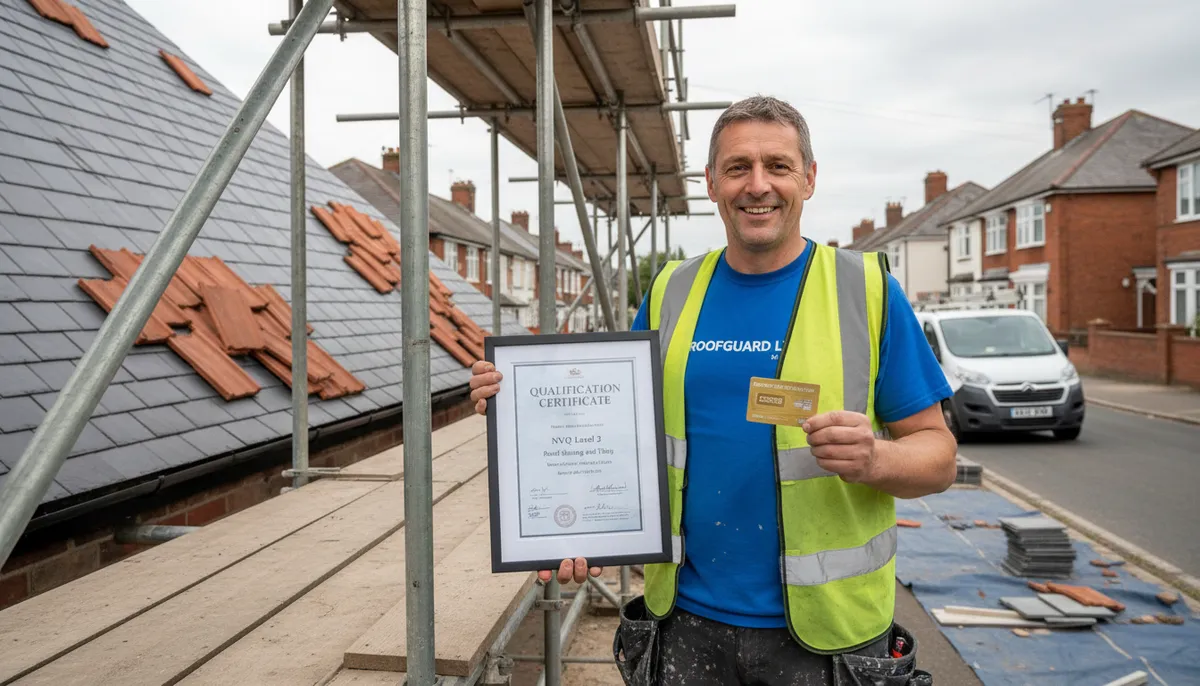
The industry benchmark is an NVQ Level 2 in Roof Slating and Tiling or an NVQ Level 2 in Built-up Felt Roofing, depending on your specialism. Level 3 is expected for supervisory work or more complex contracts. If you’ve been employed as a roofer and have these already, you’re well placed to go solo.
The CSCS Card (Construction Skills Certification Scheme) is the practical requirement for most site work. Without one, you’ll be turned away from commercial sites and new-build developments. The blue CSCS Skilled Worker card requires a relevant NVQ and a health, safety, and environment test (around £36). The card itself costs around £30 and is valid for five years.
For a full breakdown, see our guide: Roofer Qualifications UK.
Step 2: Register Your Business
Most roofers starting out go sole trader — it’s free, simple, and you keep all profits after tax. A limited company makes more sense once you’re earning above roughly £40,000–50,000/year, because of the tax efficiency at that level.
| Structure | Setup Cost | Annual Filing | Best For |
|---|---|---|---|
| Sole trader | Free | Self-assessment tax return | Starting out, under £50k/year |
| Limited company | £12 via Companies House | Corporation tax + confirmation statement | Higher turnover, commercial contracts |
| Partnership | Free | Shared self-assessment | Two roofers going in together |
To register as a sole trader, go to gov.uk/register-for-self-assessment. You’ll receive a Unique Taxpayer Reference (UTR) number within 10 working days. Register as soon as you start trading — HMRC’s deadline is 5 October following the end of your first tax year, but registering earlier avoids fines and confusion.
You’ll file a self-assessment return each January. Keep receipts for everything: van costs, fuel, tools, materials, insurance, training, phone — all reduce your taxable income.
Step 3: Get Your Insurance Sorted
Roofing carries significant risk — to you, to your customers’ property, and to anyone nearby. Insurance needs to be in place before you take your first job.
| Cover | What It Pays For | Typical Annual Cost |
|---|---|---|
| Public liability insurance | Third-party injury or property damage | £400–£1,200 |
| Employers’ liability | Injuries to staff (legally required if you employ anyone) | £200–£600 per employee |
| Tool and equipment insurance | Theft or damage to your kit | £100–£300 |
| Personal accident cover | Income if you’re injured and can’t work | £150–£400 |
Roofing PLI costs more than most trades because of the height and weather exposure involved. Some domestic customers won’t ask for proof, but many will — especially repeat clients, letting agents, or anyone who’s been burned before. Carry your certificate and show it without being asked.
For more detail on what’s covered and what’s excluded, see our guide: Public Liability Insurance for Roofers.
Step 4: Startup Equipment and Costs
Equipment is where roofing differs from most trades. You can’t improvise access — the right ladders, scaffold towers, and safety gear are non-negotiable, and they’re expensive.
| Item | Estimated Cost (New) | Second-Hand Alternative |
|---|---|---|
| Van (1-tonne, suitable load) | £15,000–£25,000 | £6,000–£12,000 |
| Extension ladders and stepladders | £500–£1,500 | £200–£600 |
| Mobile scaffold tower | £800–£2,000 | £300–£800 |
| Safety harness and fall arrest system | £200–£500 | N/A — buy new |
| Slating and tiling tools (rippers, hooks, cutters) | £500–£1,500 | £200–£800 |
| Felt, batten, flashing tools | £300–£800 | £150–£400 |
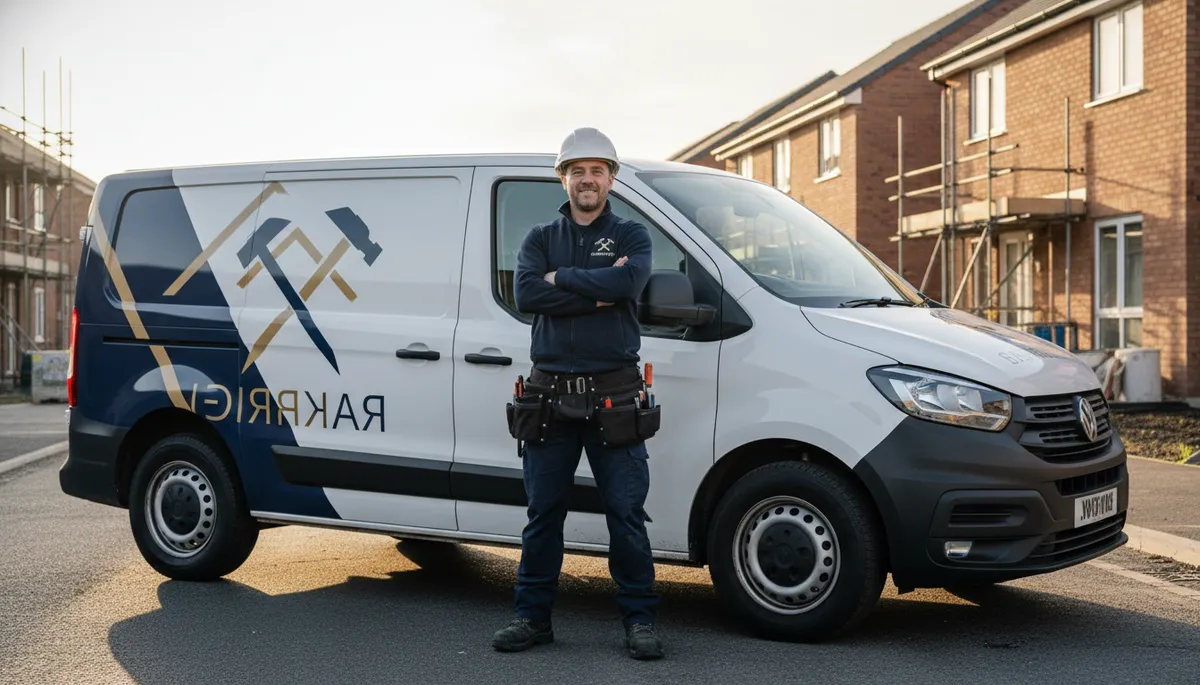
Realistic startup total: £10,000–£25,000, depending on whether you buy new or second-hand. Many roofers starting out buy a used van and invest in new safety equipment — the van is cosmetic, but harnesses and fall arrest systems shouldn’t be bought used unless you can verify their full history.
Working capital also matters. You’ll likely pay for materials upfront and wait 30–60 days to be paid on some jobs. Keep at least £3,000–£5,000 accessible for materials before your first invoices are settled.
Step 5: Join a Trade Body
Unlike electricians or gas engineers, roofers don’t join a statutory registration scheme. But trade body membership matters for the same reason — it’s a shortcut to trust.
The National Federation of Roofing Contractors (NFRC) is the largest and most recognised. Membership requires a quality inspection, evidence of insurance, and proof of qualifications. Annual fees for a small contractor start at around £250–£500/year.
Other options:
| Body | Focus | Approx. Annual Fee |
|---|---|---|
| NFRC | General roofing, most recognised nationally | £250–£500 |
| FCRMA (Flat Roofing Alliance) | Flat roofing specialists | £200–£400 |
| CompetentRoofer | Government-authorised scheme for replacing coverings | £180–£350 |
| TrustMark | Government-endorsed quality mark, covers multiple trades | £150–£300 |
CompetentRoofer is worth considering if you do a lot of re-roofing work — it allows you to self-certify replacing roof coverings under Building Regulations, which saves customers the hassle and cost of a building control application.
Step 6: Find Your First Customers
Getting your first five or ten jobs is the hardest part. After that, word of mouth carries a lot of weight in roofing — homeowners talk, and a good reputation in a postcode can sustain a one-man operation indefinitely.
Where roofers get early work:
- Checkatrade, MyBuilder, Rated People — lead generation sites that charge per lead or a monthly fee. Quality varies but they produce enquiries while you build your own profile.
- Local estate agents and letting agents — they need roofers they trust for quick repairs on rental properties. Call or drop in and introduce yourself.
- Storm damage and emergency work — when bad weather hits, enquiries surge. Being available and responsive wins jobs competitors miss.
- Your existing network — former colleagues, friends, family, neighbours. Your first three jobs probably come from people who already know you.
For more strategies, see our full guide: How to Get More Roofing Work.
Step 7: Build Your Online Presence
Most homeowners search for local roofers online before they call anyone. A professional website and a claimed Google Business Profile are the two things that put you in front of them.
Google Business Profile is free and critical. It puts your business on Google Maps when someone searches “roofer near me” or “roofer [your town]”. It takes about 30 minutes to set up and verify. Add photos, respond to reviews, and keep your hours current.
A professional website does two things: it convinces people you’re legitimate when they visit, and it helps you rank in Google over time. A basic trade website — five pages, your services, some photos, your phone number clearly visible — is enough to convert enquiries. You don’t need anything elaborate.
Managed services like Digital Tradies build roofing websites from £49/month with no upfront cost — you get a professional site, hosting, and ongoing support included, with the site live within three days. Compare that to building something yourself or paying a freelancer £800–£2,000 upfront for a site that may never rank for anything.
Roofing is a competitive local market. The roofers who show up online consistently win more work than those who don’t — even if the ones staying offline are better at the job.
Frequently Asked Questions
Do roofers need to be licensed in the UK? No — there’s no legal licence required to trade as a roofer in the UK. However, you need public liability insurance, a CSCS card for site access, and relevant NVQ qualifications to work commercially. Trade body membership (NFRC, CompetentRoofer) is not legally required but expected by many customers and insurers.
How much can a self-employed roofer earn in the UK? According to industry data, experienced self-employed roofers typically earn £35,000–£55,000/year as sole traders. Day rates generally run between £250–£400, with experienced roofers and those running small crews earning more. Storm damage emergency work often commands a premium. See our roofer hourly rate guide for a full breakdown.
What is the biggest problem roofers face when starting out? Inconsistent work in the early months. The first winter can be tough if you haven’t built a customer base by autumn. Most experienced roofers recommend starting in spring, building a pipeline through summer, and using a mix of lead generation sites and your own online presence to carry you through the slower months. A professional website helps here — it generates enquiries passively, even when you’re on a job.
How much does it cost to start a roofing business? Budget £15,000–£30,000 for a van, equipment, safety gear, first insurance premiums, and three months of working capital. Second-hand vehicles and equipment reduce this significantly. Some roofers start with as little as £8,000–£10,000 if they already own a suitable vehicle.
Do I need scaffolding to do roofing work? Not always — a mobile scaffold tower handles most domestic jobs. But for full re-roofing or work above two storeys, proper scaffold access is expected by insurers and required under Health and Safety Executive (HSE) guidance. You can hire scaffold from a local supplier rather than buying it outright when starting, which reduces your upfront costs.