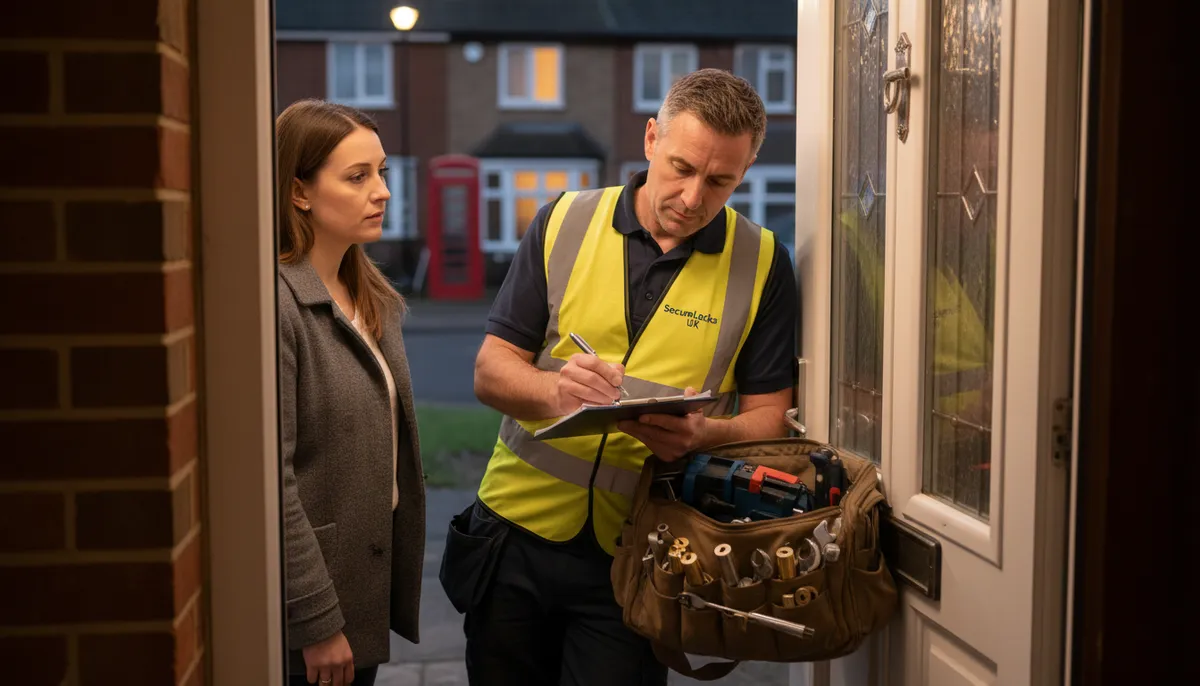
The average locksmith hourly rate in the UK sits around £75–£100 per hour for standard daytime work. Out-of-hours jobs — evenings, weekends, and emergency callouts — push that figure considerably higher, with some locksmiths charging £120 or more per hour after midnight. If you’re a self-employed locksmith wondering whether your rates are in the right ballpark, this guide covers the full picture: market averages, regional differences, emergency pricing, and how to calculate what you actually need to charge to run a profitable business.
Key Takeaways
- Standard daytime hourly rates run £75–£100 across most of the UK
- Emergency and out-of-hours rates typically range from £100–£150 per hour — some locksmiths charge more
- London rates are notably higher: £100–£140/hour for standard work
- Most locksmiths charge a call-out fee on top of the hourly rate — typically £50–£100
- Factors like UKAS-accredited training, DBS check, and response speed all justify charging more
- If you’re not factoring in insurance, fuel, tools, and non-billable admin time, you’re likely undercharging
UK Locksmith Hourly Rate Averages
Standard hourly rates across the UK for daytime, non-emergency locksmith work fall in the range of £75–£100 per hour, according to data from locksmiths.co.uk and Checkatrade. The exact figure depends heavily on location, the type of job, and whether you’re a sole trader or operating as part of a larger firm.
Here’s how rates typically break down by experience and job type:
| Level / Job Type | Typical Hourly Rate |
|---|---|
| General domestic locksmith | £75–£100 |
| Specialist / commercial locksmith | £100–£150 |
| Emergency 24-hour callout | £100–£150+ |
| Security consultant (access control, CCTV) | £120–£200 |
For most self-employed locksmiths doing residential work — lock changes, lock-outs, new cylinder fitting — the middle of the £75–£100 range is where you’d sit. Specialist skills (master key systems, safe installation, commercial security surveys) push rates higher.
Out-of-Hours and Emergency Rates
Locksmith work is often called out at inconvenient times. Someone locked out at 11pm on a Saturday is willing to pay more — and your pricing should reflect that.
According to Checkatrade’s 2024 pricing data, average out-of-hours locksmith rates break down like this:
| Time of callout | Average Hourly Rate |
|---|---|
| 6am–8pm (standard hours) | £75–£100 |
| 6pm–8pm (early evening) | £75–£100 |
| 8pm–midnight | £85–£120 |
| Midnight–6am | £120–£150+ |
| Bank holidays and weekends | Add 25–50% to standard rate |
These aren’t arbitrary figures — they reflect the genuine disruption of working unsociable hours, the cost of being on-call, and the premium customers expect to pay in genuine emergencies. Don’t feel apologetic about charging properly for out-of-hours work. It’s standard practice across the trade.
Regional Rate Breakdown
Your location makes a significant difference to what the market will accept. Running a locksmith business in Central London means higher overheads (congestion charges, parking, van costs) and clients used to paying more. Rural Wales is a different market.
| Region | Typical Hourly Rate (Standard) |
|---|---|
| London | £100–£140 |
| South East | £85–£120 |
| East of England | £80–£110 |
| South West | £75–£100 |
| Midlands | £70–£95 |
| Yorkshire & Humber | £70–£90 |
| North West | £70–£90 |
| North East | £65–£85 |
| Scotland | £70–£90 |
| Wales | £65–£85 |
Keytek, one of the UK’s larger national locksmith networks, lists standard hourly rates from around £96 — which aligns with the upper end of the regional averages above. Regional independents without the national brand can compete on local trust and faster response times.
Common Job Prices (Not Just Hourly Rate)
Many locksmith jobs get quoted as a fixed price rather than by the hour — especially simple, predictable work like lock changes and cylinder replacements. Knowing the market rate for common jobs helps you price confidently.
| Job Type | Typical Price (Including Labour) |
|---|---|
| Lockout (standard door lock) | £75–£150 |
| Lock change (single door, UPVC) | £125–£200 |
| Cylinder replacement | £80–£150 |
| Additional lock (same call) | £60–£100 |
| Lock upgrade to British Standard | £150–£250 |
| Safe opening | £150–£350 |
| Composite door repair | £120–£250 |
According to Keytek’s 2026 pricing guide, a standard lock change starts from around £125 — and that’s at the budget end for a reputable firm. Independent locksmiths with a good reputation can charge at the upper end of these ranges without losing work.
Fixed pricing works well for customers (no uncertainty) and for you (no disputes if the job takes longer than expected). For complex or unusual jobs where you genuinely can’t predict the time involved, hourly pricing is safer.
What to Factor Into Your Rate
A common mistake for self-employed locksmiths is setting rates based on what competitors charge without checking whether that rate actually covers costs. Here’s what needs to go into your pricing calculation:
Direct costs (job by job):
- Travel time and fuel to the job
- Parts and consumables (locks, cylinders, screws)
- Any specialist equipment use
Fixed overheads (spread across all jobs):
- Public liability insurance — typically £300–£600/year for a sole trader locksmith (source: Simply Business UK trades insurance data 2025)
- Van finance or depreciation
- Tool replacement and maintenance
- Professional body memberships (Master Locksmiths Association fee: from £295/year)
- Training and re-certification costs
Non-billable time:
- Quoting jobs you don’t win
- Admin, invoicing, bookkeeping
- Marketing and website costs
- Being on-call but not called out
A reasonable rule of thumb: if you want to take home £40,000 per year as a self-employed locksmith working 45 weeks, and you can realistically bill 5 hours of chargeable work per day, you need to charge at least £36/hour just to cover wages — before any overheads. Once you add insurance, van, equipment, and admin time, you’re looking at a minimum viable rate of £60–£70/hour for most UK locksmiths.
That means anything below £70/hour in most regions is leaving money on the table.
When to Raise Your Rates
Many locksmiths undercharge for years because they’re worried about losing customers. But consistently low prices signal low quality to new customers. A few signs you should put your rates up:
- You’re fully booked most weeks and turning work away
- You haven’t raised prices in more than 12 months (inflation alone has pushed costs up)
- Competitors in your area are charging noticeably more for similar work
- You’re getting too many time-wasters who then go elsewhere when you quote
When you do raise rates, increase them gradually — 10–15% at a time — and communicate it to existing customers in advance. Most good customers accept a reasonable increase if they’ve had good service.
Frequently Asked Questions
What do locksmiths charge per hour in the UK? Standard daytime rates run £75–£100 per hour for most UK regions, with London locksmiths typically charging £100–£140 per hour. Out-of-hours and emergency work usually carries a premium, pushing rates to £120–£150 per hour or more after midnight or on bank holidays.
Should locksmiths charge a call-out fee? Yes — most established locksmiths charge a call-out fee of £50–£100 on top of their hourly rate. This covers travel time, fuel, and the cost of being available and responsive. Customers generally expect it, especially for emergency callouts.
What qualifications justify charging more as a locksmith? Membership of the Master Locksmiths Association (MLA), completion of a recognised training course (such as those approved by UKAS), and holding a DBS certificate all allow you to charge at the higher end of market rates. Commercial clients and letting agents in particular expect to see credentials before hiring.
Is a locksmith business profitable in the UK? It can be. According to MPL Locksmith Training, experienced locksmiths who build up a strong local client base can earn £40,000–£60,000 per year. Reaching £60,000+ typically requires consistent out-of-hours availability or specialising in higher-value commercial work. Running lean on overheads and having a professional online presence helps significantly.
How do I compete with national locksmith networks on price? You don’t need to. National networks like Keytek often charge more, not less — what they offer is availability and brand recognition. As a local locksmith, you can compete on faster response times, local knowledge, and a personal relationship with customers. Charging comparable rates and backing it up with a professional website and Google reviews often wins more trust than a lower price.
Building a Locksmith Business That Charges What It’s Worth
Getting your rates right is half the battle. The other half is making sure customers can find you and trust you enough to call. A professional website — showing your qualifications, response area, customer reviews, and services — does more to justify your rates than any discount.
If you want to increase the volume of enquiries coming in, the foundations are the same for most locksmiths: a strong Google Business Profile, consistent reviews, and a site that loads fast on mobile. Our guide to SEO for locksmiths covers the specific steps, and the locksmith marketing guide goes deeper on building a steady pipeline of work beyond emergency callouts.
Locksmiths who appear in local search results, have a complete Google Business Profile, and look professional online consistently win more of the right work at the right price. Digital Tradies builds professional websites for locksmiths from £49/month, with no upfront cost and your site live within 3 days — so you can focus on the jobs, not the admin.
Rates cited in this article are based on publicly available pricing data from Checkatrade, locksmiths.co.uk, and Keytek (2024–2026). Actual rates vary by region, individual operator, job complexity, and market conditions. Always calculate your own cost base before setting prices.