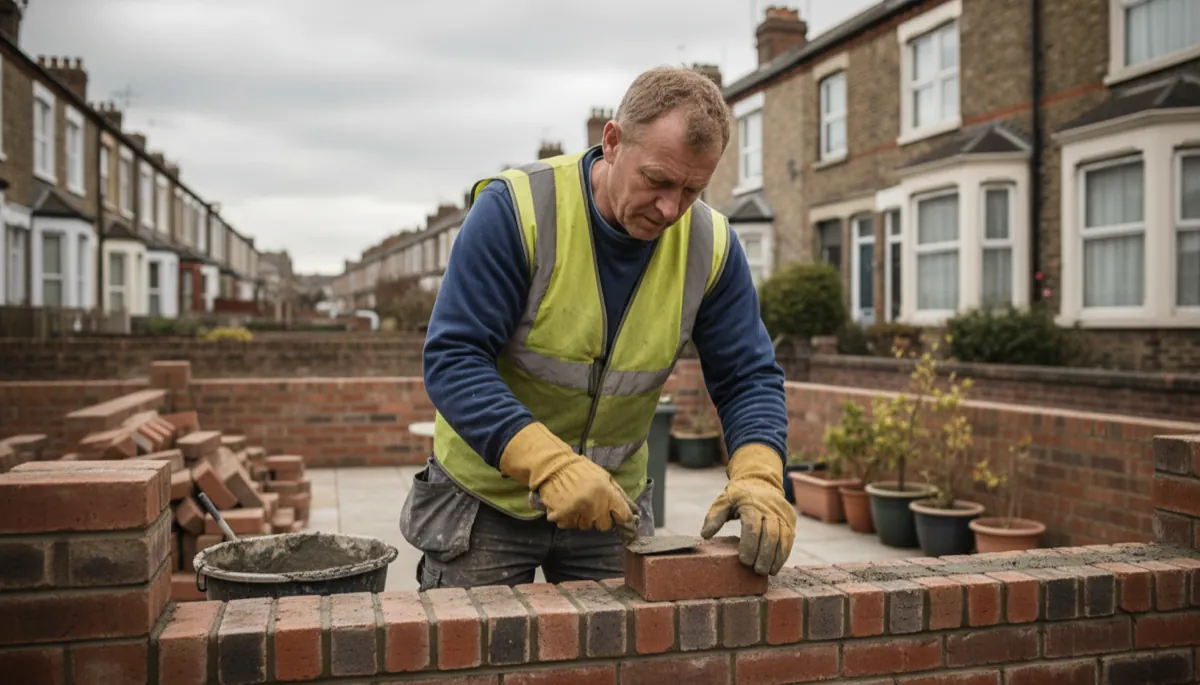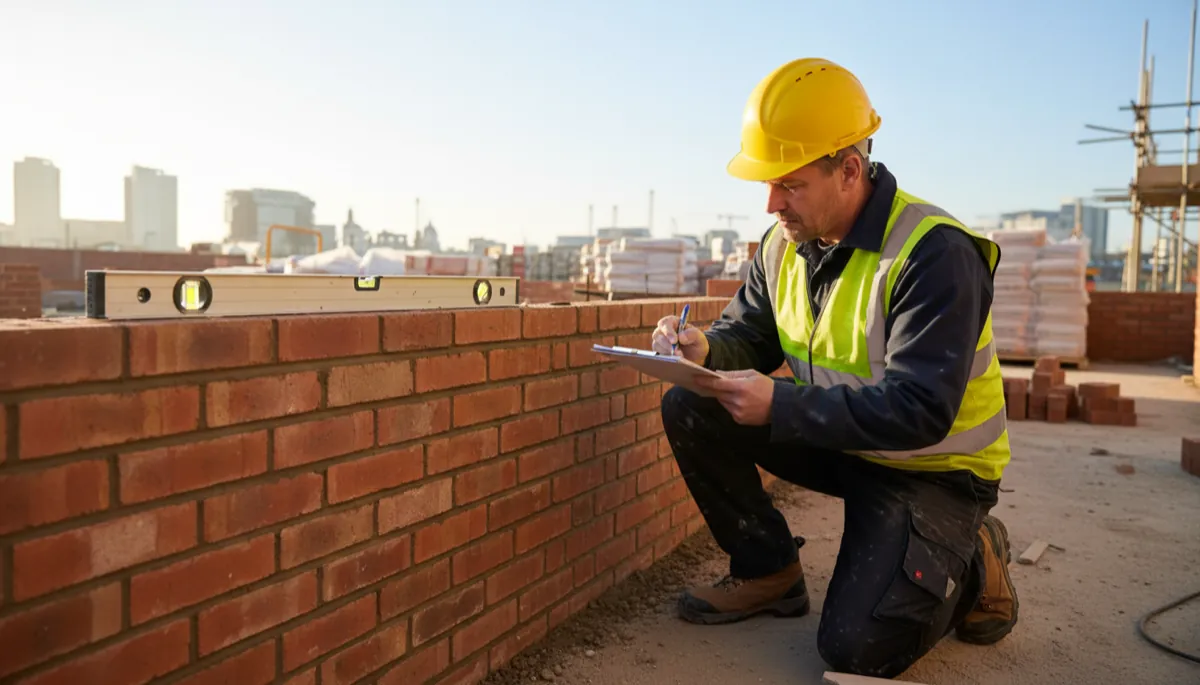
A self-employed bricklayer in the UK typically charges £250 to £400 per day for standard domestic work in 2026. According to Checkatrade’s 2026 bricklaying cost guide, most bricklayers working on day rates charge between £240 and £320 per day — though experienced bricklayers on London sites and specialist heritage work push well above that.
This guide is written for self-employed bricklayers figuring out what to charge, not homeowners pricing a job. It covers typical day rates by experience and region, how a day rate compares to price work, and how to calculate a rate that actually covers your costs.
Key Takeaways
- Typical UK bricklayer day rate: £250–£400/day for domestic work; site work often runs higher
- Checkatrade’s 2026 data puts the average at £240–£320/day, with sole traders averaging around £304/day per AbleSkills
- London and the South East run significantly higher — up to £450–£600/day for experienced bricklayers
- Your day rate must cover more than your labour: van costs, public liability insurance, tools, and unbillable time all need factoring in
- Day rates suit multi-day site jobs and block contracts; price-per-thousand bricks often pays better on straight domestic runs
Average Bricklayer Day Rates UK 2026
Day rates in bricklaying vary significantly based on experience, qualifications, and whether you’re working domestically or on a commercial site.
| Experience Level | Day Rate Range | Notes |
|---|---|---|
| Newly qualified (NVQ Level 2, 0–2 years self-employed) | £160–£220/day | Building reputation, lower rates to win early work |
| Established (2–5 years, NVQ Level 2/3) | £230–£310/day | Consistent client base, good reviews |
| Experienced (5–10 years, CSCS Gold Card) | £300–£400/day | Repeat clients, reliable and fast |
| Highly experienced (10+ years, specialist) | £380–£500/day | Heritage, architectural, or foreman-level site work |
| London / South East commercial | £450–£600/day | High-demand labour market, higher cost of living |
Sources: Checkatrade Bricklaying Cost Guide 2026; AbleSkills UK Bricklayer Earnings Guide 2025; MyJobQuote Trades Advice 2026.
AbleSkills’ data shows an interesting gap between employed and self-employed rates: an employed bricklayer on site earns around £154/day on average, while a sole trader doing equivalent work charges around £304/day. That difference isn’t pure profit — it reflects self-employed costs including National Insurance contributions, tools, insurance, pension, vehicle expenses, and the unpaid hours spent quoting and chasing payments.
Bricklayer Day Rates by Region
Where you work shapes both what the market will pay and what your own costs are.
| Region | Typical Day Rate |
|---|---|
| London | £420–£600 |
| South East (excluding London) | £340–£480 |
| East of England | £280–£400 |
| South West | £260–£370 |
| East Midlands | £240–£340 |
| West Midlands | £240–£340 |
| Yorkshire & Humber | £230–£330 |
| North West | £230–£340 |
| North East | £210–£300 |
| Scotland | £240–£350 |
| Wales | £220–£310 |
| Northern Ireland | £200–£290 |
Source: Bark.com regional trade rate data 2025; MyJobQuote Bricklayer Rate Guide 2026.
If you’re working in London, your rate needs to reflect higher van insurance, parking, fuel, and the fact that many clients in the capital have bigger budgets for quality work. Conversely, if you’re in the North East, charging London rates will cost you jobs — the local market sets the ceiling.
Day Rate vs Price Work: Which Should You Use?
Most experienced bricklayers don’t stick exclusively to day rates. The best pricing approach depends on the job.
| Pricing Method | Best For | Why |
|---|---|---|
| Day rate | Site work, multi-day blocks, groundworks support | Predictable income on longer contracts; protects you when scope changes |
| Per-1,000 bricks | Straight domestic runs (garden walls, extensions) | Rewards speed and efficiency — a fast, skilled bricklayer earns more per hour |
| Fixed price per job | Small one-off jobs (repairs, pointing, capping) | Easier for clients to budget; competitive for straightforward work |
| Linear metre | Long boundary walls, blockwork runs | Consistent pricing across standard specs |
According to discussions on trade forums including Reddit’s r/Bricklaying, self-employed bricklayers in 2026 typically price domestic straight runs at around £700 per 1,000 bricks and £17.50–£20 per m² for 100mm blockwork — with day rates of £240–£300/day for site work and labouring contracts.
The case for day rates is simple: if a job is going to take three days and you quote a fixed price, any delays — wrong materials arriving, bad weather, an unexpected drainage problem — come out of your pocket. A day rate shifts that risk onto the client for longer contracts.
How to Calculate Your Bricklayer Day Rate
A day rate that just covers your desired wage will leave you short. Your rate needs to account for everything a PAYE employee gets covered for free.
Step 1: Start with your target take-home income
Decide what you want to take home per year — say £35,000. That’s your baseline.
Step 2: Add self-employment costs
| Cost | Typical Annual Amount |
|---|---|
| Public liability insurance | £300–£600 |
| Tools, equipment, maintenance | £1,000–£2,500 |
| Van costs (insurance, fuel, tax, maintenance) | £4,000–£7,000 |
| Accountant / self-assessment | £300–£800 |
| Marketing, website, quotes admin | £200–£600 |
| Unpaid admin time (quoting, invoicing, travel) | 15–20% of billable days |
Add those up. On top of a £35,000 target income, you’re easily looking at £8,000–£12,000 in annual costs.
Step 3: Calculate billable days
52 weeks × 5 days = 260 working days. Subtract: 25 holiday days, 8 bank holidays, and around 10 days of sick, training, bad weather, and admin gaps. That leaves roughly 217 billable days per year — at the optimistic end. Many self-employed bricklayers realistically bill 180–200 days once you account for quiet periods.
Step 4: Set your rate
Using 200 billable days:
- Target income: £35,000
- Self-employment costs: £10,000
- Total needed: £45,000
- Day rate required: £45,000 ÷ 200 = £225/day minimum
That’s before profit margin. If you want to reinvest in the business, grow, or have a buffer for lean months, add 15–20%. That takes your rate to £260–£270/day minimum — and that’s at the lower end of the established bricklayer range.
If you’re currently charging below this, it’s worth running the numbers. You might be working hard while effectively paying your own costs out of what feels like income.
What Does a Day Rate Include?
When you quote a day rate, be clear — in writing — about what’s covered and what isn’t. Disputes usually come from misunderstandings about scope.
A bricklayer day rate typically includes:
- Labour for the agreed working day (usually 7–8 hours)
- Standard hand tools and trowels
- Basic set-up and tidy-up time
A bricklayer day rate does NOT include:
- Materials (bricks, blocks, mortar, ties, DPC)
- Plant hire (mixer, scaffold, telehandler)
- Skip hire or waste disposal
- Specialist equipment
Always quote materials separately and be specific: “Day rate covers labour only — all materials to be supplied by client or quoted additionally.” A sentence on your quote can prevent a difficult conversation later.
Site Work vs Domestic Day Rates
There’s a meaningful difference between working on a domestic driveway extension and being on a 20-house development site.
Domestic bricklaying (self-employed, direct):
- You quote and manage the job directly
- Higher day rates — the client relationship is yours
- More flexibility but more admin (quoting, chasing, invoicing)
Site work (gang or agency):
- Often paid per-brick or per-m² rather than a true day rate
- CIS scheme deductions apply (20% if you’re registered; 30% if not)
- Volume compensates for lower unit rates — a fast gang can earn well
If you’re doing site work, make sure you’re registered with HMRC’s Construction Industry Scheme (CIS) to avoid the higher 30% deduction rate. Registration is free via the HMRC website.
Frequently Asked Questions
What’s the average bricklayer day rate in the UK in 2026? Most self-employed bricklayers charge £250–£400 per day for domestic work in 2026. Checkatrade’s data puts the typical range at £240–£320/day nationally, while AbleSkills reports sole traders averaging around £304/day. London and the South East run higher, often £420–£600/day for experienced bricklayers.
Should a bricklayer charge a day rate or per-1,000 bricks? It depends on the job. Day rates suit site work, multi-day contracts, and jobs where scope might change. Per-1,000-brick pricing works well on straight domestic runs — a fast, efficient bricklayer can earn more per hour on price work than day rates. Many self-employed bricklayers use both: price work for domestic extension and wall jobs, day rates for commercial site contracts.
What should a newly qualified bricklayer charge per day? A newly qualified bricklayer (NVQ Level 2, recently self-employed) typically charges £160–£220 per day to build a client base and reviews. That’s lower than established rates, but it needs to cover your costs — public liability insurance, van, and tools still apply from day one.
Does a bricklayer day rate include materials? No. A standard bricklayer day rate covers labour only. Bricks, blocks, mortar, wall ties, DPC, and any hired plant are quoted separately. Always specify this clearly on your quote to avoid disputes.
How many billable days does a self-employed bricklayer work per year? In practice, most self-employed bricklayers bill 180–210 days per year once you account for holidays, bank holidays, bad weather, training days, and quiet periods. That’s the figure to use when calculating a day rate that covers your costs — not 260 days.
Building Your Business Alongside Your Rate
Setting the right day rate matters, but how customers find you matters just as much. Most domestic bricklaying work comes through word of mouth and online searches. For comparison on hourly pricing, see our bricklayer hourly rate guide, and if you’re thinking about your insurance costs, our bricklayer public liability insurance guide covers what you’ll need. If someone searches “bricklayer in [your town]”, a professional website with your rates, photos of your work, and a clear contact option is what turns that search into a phone call.
Digital Tradies builds professional websites for UK tradespeople from £49/month — no upfront cost, live in three days, with hosting and updates included. If you’re looking to bring in more direct domestic work rather than relying on lead sites, get started here.