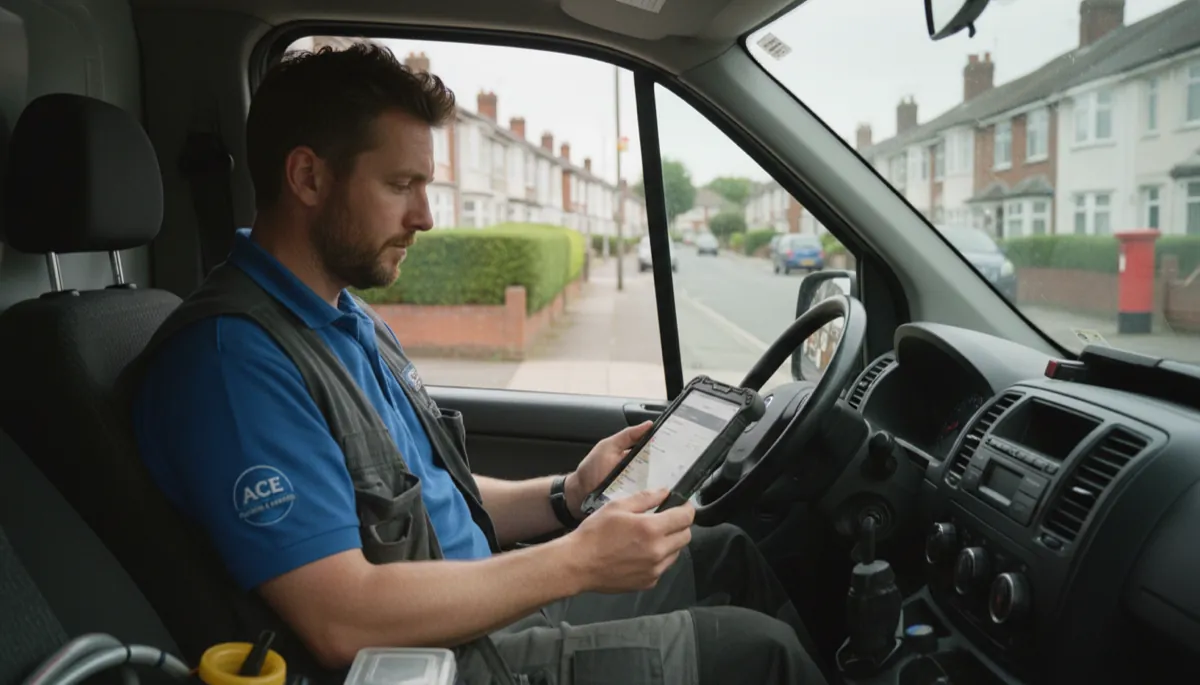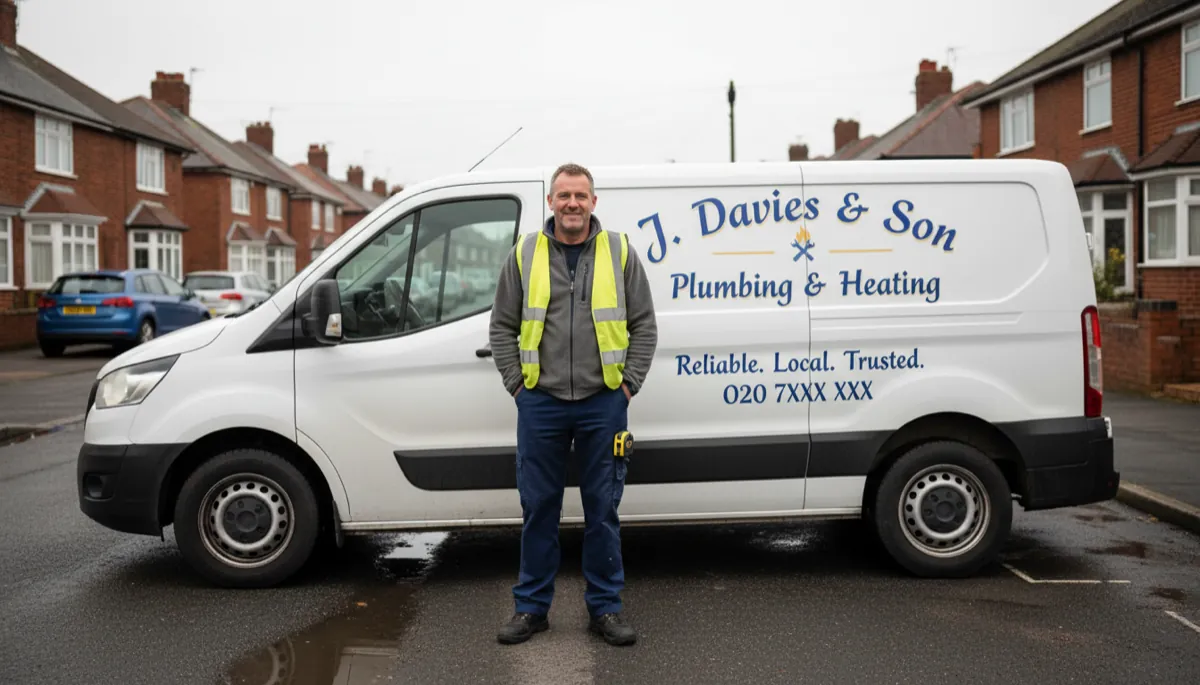
For most tradespeople, a van isn’t just transport — it’s a mobile workshop, a storage unit, and the first thing a new customer sees when you pull up. Getting it wrong costs you money. Getting it right makes your working day easier and your business look more professional.
The Ford Transit Custom remains the most popular choice for UK tradespeople in 2026, but it’s not the right fit for everyone. The right van depends on your trade, how far you travel, what you need to carry, and whether you buy new or used.
Key Takeaways
- Ford Transit Custom is the UK’s best-selling van and suits most tradespeople — good payload, practical layout, strong dealer network
- VW Transporter is the premium choice — quieter, better equipped, higher resale value, but costs more to buy
- Mercedes Sprinter is the go-to for builders and roofers who need maximum payload and space
- Small vans (Berlingo, Combo, Caddy) work well for electricians and locksmiths with lighter kit
- Electric vans are now viable for local-only tradespeople — Vauxhall Vivaro Electric and Maxus eDeliver 3 lead the field
- Road tax for vans under 3,500kg GVW is a flat annual rate regardless of engine size — check GOV.UK for the current figure as it changes each Budget
What Makes a Van Good for Trades?
Before comparing models, these are the things that actually matter for tradespeople — in rough order of importance.
Payload — how much weight the van can legally carry. Most medium panel vans offer 900–1,200kg. If you’re regularly carrying bricks, tools, a cement mixer, and racking, you’ll want to know this number before you buy.
Load area dimensions — some vans are deceptively small inside despite looking similar externally. Check the internal length, width between the wheel arches, and whether a full sheet of 8×4 plywood will lay flat.
Security — van theft is a serious problem in the UK. Look for deadlocks, slamlocks, and double-locking rear doors as standard or as easily fitted upgrades. Certain van models are known targets for thieves; insurers factor this in when quoting. Make sure your van insurance policy covers tools in transit separately — standard policies don’t.
Fuel economy — if you’re doing 20,000+ miles a year, the difference between 35mpg and 45mpg on a diesel adds up quickly.
Reliability and dealer network — a van off the road is a day you can’t earn. Choose a brand with a strong UK dealer network and a reputation for reliability. Ford, Vauxhall, and VW have good nationwide coverage.
Top Vans for UK Tradespeople 2026
1. Ford Transit Custom — Best All-Rounder
The Ford Transit Custom is the UK’s best-selling van, year after year, and for good reason. It strikes the best balance of payload, practicality, and value of any medium panel van.
| Spec | Transit Custom |
|---|---|
| Payload | Up to 1,210kg |
| Load volume | Up to 6.0m³ |
| Engine options | 2.0 EcoBlue diesel, 2.5 Hybrid |
| Fuel economy | 35–42mpg (diesel) |
| New price (entry) | From £30,995 + VAT |
| Used (3-year-old) | £15,000–£22,000 |
Good for: most trades — electricians, plumbers, joiners, gas engineers, general builders.
What tradespeople say: parts are cheap, mechanics know it everywhere, and there’s a huge second-hand market so resale is solid.
Watch out for: the 2.0 EcoBlue diesel has had reliability issues with the EGR system on higher-mileage examples. If buying used, get a full service history.
2. Volkswagen Transporter — Premium Pick
The VW Transporter costs more to buy but holds its value better than most vans and has a reputation as one of the most refined driving experiences in the segment. If you’re spending a lot of time in the cab, you’ll notice the difference.
| Spec | VW Transporter T6.1 |
|---|---|
| Payload | Up to 1,079kg |
| Load volume | Up to 5.8m³ |
| Engine options | 2.0 TDI diesel |
| Fuel economy | 38–44mpg |
| New price (entry) | From £33,500 + VAT |
| Used (3-year-old) | £22,000–£30,000 |
Good for: tradespeople who value reliability and quality — plumbers, electricians, HVAC engineers.
Watch out for: the payload is slightly lower than a Transit Custom, so if you carry heavy kit it’s worth checking your laden weight.
3. Mercedes-Benz Sprinter — Best for Heavy Loads
If your trade involves moving serious weight — roofing materials, blocks, scaffolding components — the Sprinter is built for it. The large-body version offers more usable space than almost anything else in the segment.
| Spec | Mercedes Sprinter 314 CDI |
|---|---|
| Payload | Up to 1,437kg |
| Load volume | Up to 11.0m³ (large body) |
| Engine options | 2.0 CDI diesel |
| Fuel economy | 32–38mpg |
| New price (entry) | From £36,900 + VAT |
| Used (3-year-old) | £18,000–£28,000 |
Good for: builders, roofers, scaffolders, drainage specialists with lots of equipment.
Watch out for: ongoing maintenance costs are higher than Ford or Vauxhall. Parts are pricier and some specialists charge a premium for Mercedes work.
4. Vauxhall Vivaro — Best Value Medium Van
The Vivaro doesn’t get as much attention as the Transit Custom but it’s a strong van at a lower price point. It shares a platform with the Peugeot Expert and Citroën Dispatch, so parts availability is good.
| Spec | Vauxhall Vivaro |
|---|---|
| Payload | Up to 1,226kg |
| Load volume | Up to 5.8m³ |
| Engine options | 1.5 and 2.0 diesel, Electric |
| Fuel economy | 38–46mpg (diesel) |
| New price (entry) | From £28,500 + VAT |
| Used (3-year-old) | £14,000–£20,000 |
Good for: cost-conscious buyers who need a reliable medium van without paying Transit Custom money.
The electric option: The Vivaro Electric is one of the better electric van choices for tradespeople doing urban/suburban work — up to 205 miles range on a full charge.
5. Citroën Berlingo / Peugeot Partner — Best Small Van
For tradespeople who don’t need a full-size panel van, the Berlingo and Partner (they’re essentially the same vehicle) are excellent. They’re easier to park, cheaper to insure, and more fuel-efficient.
| Spec | Citroën Berlingo M |
|---|---|
| Payload | Up to 800kg |
| Load volume | Up to 3.8m³ |
| Engine options | 1.5 BlueHDi diesel |
| Fuel economy | 44–50mpg |
| New price (entry) | From £22,500 + VAT |
| Used (3-year-old) | £10,000–£16,000 |
Good for: electricians, locksmiths, handymen, IT engineers — any trade with lighter kit.
Watch out for: the smaller payload and load area mean this doesn’t work for trades that regularly carry heavy or bulky materials.
Quick Comparison Table
| Van | Payload | Load Vol | New from | Best For |
|---|---|---|---|---|
| Ford Transit Custom | 1,210kg | 6.0m³ | £31k | Most trades |
| VW Transporter | 1,079kg | 5.8m³ | £34k | Premium pick |
| Mercedes Sprinter | 1,437kg | 11.0m³ | £37k | Heavy loads |
| Vauxhall Vivaro | 1,226kg | 5.8m³ | £29k | Best value |
| Citroën Berlingo | 800kg | 3.8m³ | £23k | Light trades |
All prices + VAT. New list prices 2026 — dealer discounts often available.
Should You Buy New or Used?
New vans come with a full manufacturer warranty (usually 3 years / 100,000 miles) and the latest spec, but they depreciate fast — often 20–30% in the first year.
Used vans bought at 2–3 years old can save £8,000–£15,000 compared to new, and you avoid the worst of the depreciation curve. The risk is condition: a van with 80,000 hard miles on it needs a thorough inspection before you buy.
According to the Society of Motor Manufacturers and Traders (SMMT), over 330,000 new light commercial vehicles were registered in the UK in 2025 — meaning there’s consistently a large supply of 2–3 year old stock entering the second-hand market each year.
For most self-employed tradespeople, a 2–3 year old used van with full service history from a reputable dealer offers the best balance of cost, reliability, and warranty coverage.
Electric Vans: Are They Worth It Yet?
Electric vans have become practical for local and suburban work. The Vauxhall Vivaro Electric (205 miles), Ford E-Transit Custom (236 miles), and Maxus eDeliver 3 are the leading options in 2026.
They make sense if:
- You cover under 100 miles a day
- You can charge overnight at home or on site
- You’re in a Clean Air Zone (London ULEZ, Birmingham, Bristol) — electric vans avoid daily charges
They don’t make sense if:
- You regularly drive 150+ miles a day between jobs
- You rely on fast roadside charging (it’s slower and less available for vans than cars)
- Payload is critical — battery weight reduces payload on some models
Running costs are significantly lower: electricity costs roughly 4–6p per mile vs 12–16p per mile for diesel. Over 20,000 miles a year, that’s a saving of £1,200–£2,000 — but you’ll pay a £5,000–£10,000 premium to buy electric new.
Frequently Asked Questions
What is the most reliable van for tradesmen in the UK? The Ford Transit Custom and VW Transporter consistently rank as the most reliable vans for tradespeople in reliability surveys. The Transit Custom wins on total cost of ownership; the Transporter wins on build quality and long-term durability if well maintained.
Should I buy a van on finance or outright? Most self-employed tradespeople use hire purchase or a business lease. The advantage is spreading the cost and preserving working capital. If you pay tax under Self Assessment, you can also claim capital allowances on the purchase price — worth speaking to an accountant about before you commit.
What’s the cheapest way to insure a trade van? Pay annually rather than monthly, increase your voluntary excess, fit deadlocks and a tracker, and use a broker who specialises in tradesperson insurance. According to the Association of British Insurers (ABI), trade van premiums vary significantly by postcode, so comparison shopping genuinely pays off. See our guide to van insurance for tradespeople for what cover you need.
How much does road tax cost for a trade van? Commercial vehicles under 3,500kg GVW pay a flat annual rate for road tax (VED), the same regardless of engine size or CO₂ emissions — unlike cars, where rate depends on emissions. Check GOV.UK for the current rate as it changes each Budget.
What racking system is best for a trade van? Sortimo, Bott, and Modul-System are the most widely used racking brands among UK tradespeople. All three offer trade-specific layouts for different van models. Expect to pay £800–£2,500 fitted depending on the complexity. It’s one of the best investments you can make — time wasted searching for tools in an unorganised van adds up fast.
Your van is a big part of your business. Get the right one and it’ll make your working day smoother, your kit more secure, and your business look more professional to customers.
Speaking of which — if your business doesn’t have a professional website yet, that’s the other thing customers notice before you even step out of the van. Digital Tradies builds websites for UK tradespeople from £49/month, no upfront cost, live in 3 days. Find out more at /get-started.