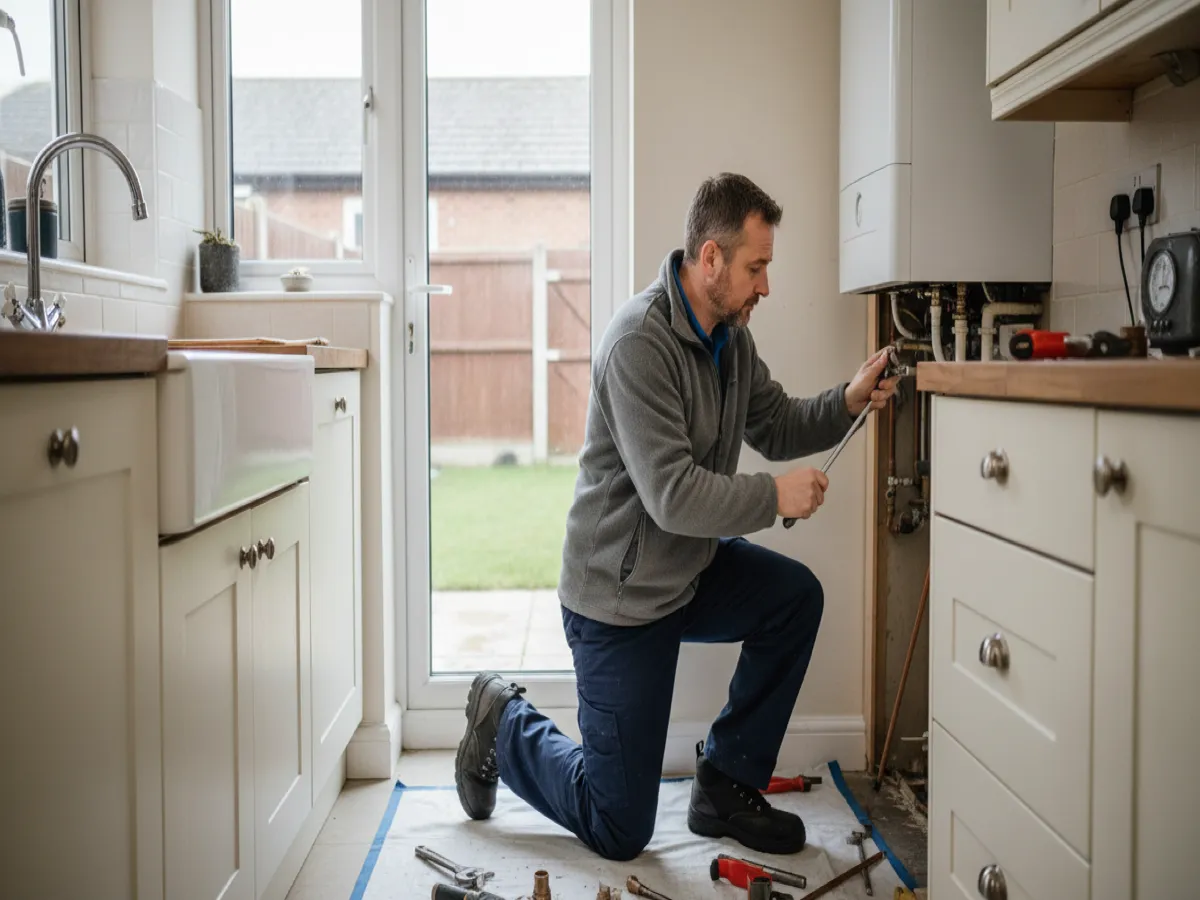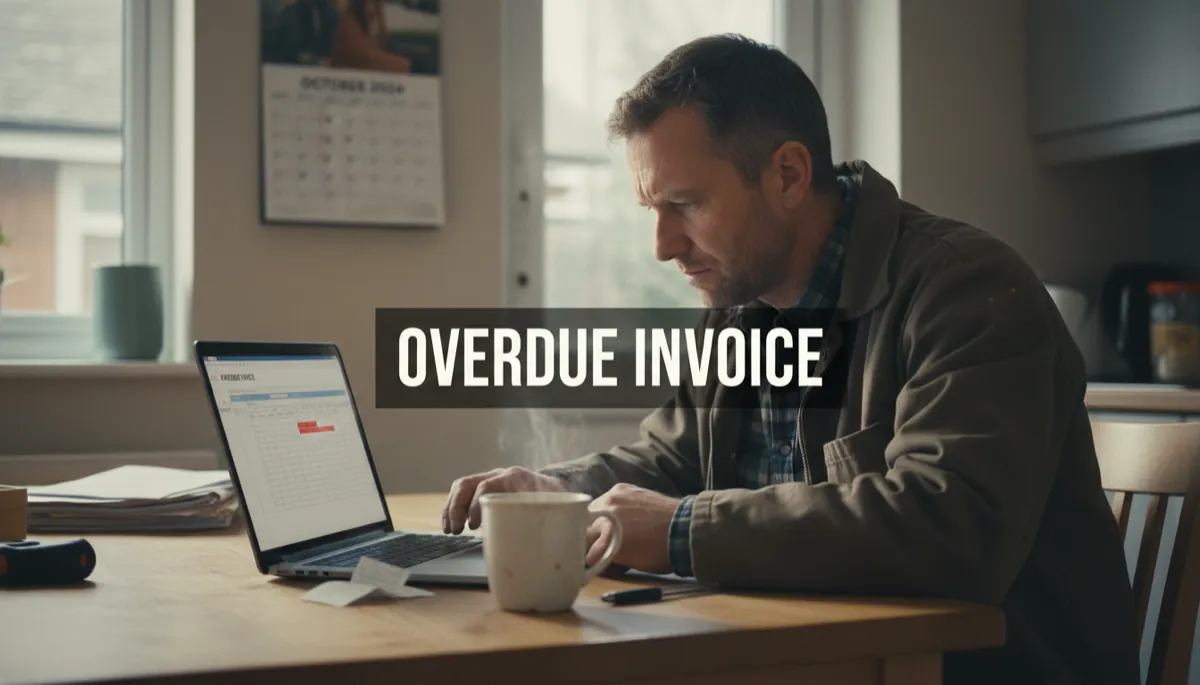
Late payment is one of the biggest frustrations in the trade industry. You’ve done the work, done it well, and now you’re chasing someone to hand over money they already agreed to pay. According to a February 2026 report by elec.training, the average UK tradesperson is chasing over £6,000 in unpaid invoices at any given time. That’s money you’ve already earned, sitting in someone else’s account.
The good news: most late payments are preventable. A few simple habits — put in place before the job starts — make it far less likely you’ll be waiting weeks for payment.
Key Takeaways
- Set clear payment terms in writing before any work begins — verbal agreements are hard to enforce
- Invoice on the day the job finishes, not days later
- A deposit protects you on bigger jobs and filters out unreliable customers
- Under the Late Payment of Commercial Debts (Interest) Act 1998, you’re legally entitled to charge interest on overdue B2B invoices
- The UK government announced a new late payment crackdown in March 2026, strengthening protections for small businesses
- For private customers, the best protection is a signed quote that includes your payment terms
Why Tradespeople Get Paid Late
It’s rarely malicious. Most late payers fall into a handful of categories: disorganised customers who forget, people who assumed the payment window was longer, or commercial clients with internal approval processes that slow everything down. A small number are genuinely trying to avoid paying.
The fix is the same in most cases: put the right paperwork in place upfront, invoice quickly, and follow up without hesitation. Here’s how.
1. Set Payment Terms Before the Work Starts
Don’t wait until the job’s done to tell someone when payment is due. Your quote or proposal should state clearly:
- Payment due within 14 days of invoice (or 7 days for smaller jobs)
- Accepted payment methods (bank transfer, card, cash)
- What happens if payment is late (interest charged, further work paused)
Getting a customer to sign or reply accepting your quote means they’ve agreed to your terms. That’s your paper trail if things go wrong.
2. Take a Deposit on Bigger Jobs
For any job over a few hundred pounds, ask for a deposit upfront — typically 25–50% of the total. This does two things:
- It covers your materials costs so you’re not out of pocket if payment stalls
- It filters out time-wasters; genuinely interested customers pay deposits without fuss
State the deposit amount and timing clearly in your quote. “25% deposit required to secure booking, remainder due on completion.”
3. Invoice the Same Day the Job Finishes
Every day you delay sending an invoice is another day added to when you’ll actually receive payment. Get into the habit of invoicing immediately — ideally before you leave the customer’s property, using a mobile invoicing app.
Your invoice should include:
- Your business name, address, and contact details
- The customer’s name and address
- A clear description of the work completed
- The total amount due, broken down with VAT if you’re registered
- The payment due date (not just “30 days” — write the actual date)
- Your bank account details for BACS transfer
4. Follow Up Before the Due Date
Don’t wait until an invoice is overdue to make contact. A friendly reminder two or three days before the due date — “Just a quick note that invoice #007 is due on Friday” — often prompts payment without any awkwardness.
Many customers genuinely forget. A short, professional email or text is all it takes. Most invoicing apps let you schedule these reminders automatically.
5. Chase Overdue Invoices Immediately
If the due date passes without payment, follow up the same day. Don’t give it a week before getting in touch — the longer you leave it, the harder it becomes to collect.
Start politely (the customer may have missed it), but escalate quickly if there’s no response:
| Stage | Timing | Action |
|---|---|---|
| First reminder | Due date | Polite email/text referencing invoice number |
| Second reminder | 3–5 days overdue | Phone call + email, ask for payment date |
| Third reminder | 7–10 days overdue | Written notice stating intention to charge statutory interest |
| Final demand | 14+ days overdue | Formal letter before legal action |
Keep written records of every contact attempt. You’ll need these if you escalate to a claim.
6. Charge Statutory Interest on Late B2B Payments
If you’re working for another business — a letting agent, a property management company, a contractor — you have a legal right to charge interest on overdue invoices under the Late Payment of Commercial Debts (Interest) Act 1998.
The statutory interest rate is 8% per year above the Bank of England base rate (check the current base rate at bankofengland.co.uk). You can also claim a fixed debt recovery charge:
| Invoice amount | Fixed charge |
|---|---|
| Under £1,000 | £40 |
| £1,000–£9,999.99 | £70 |
| £10,000 or more | £100 |
You don’t need a solicitor to claim this. Simply state on your overdue invoice that you’re charging statutory interest under the 1998 Act, calculate the amount, and add it to the total owed.
Note: this applies to business-to-business transactions only, not residential customers. For private customers, your options are a County Court Claim or small claims court.
7. Offer Multiple Payment Methods
Some customers genuinely struggle to pay by bank transfer — particularly older homeowners or smaller businesses that still run on cheques. The easier you make it to pay, the faster you’ll get paid.
Consider accepting:
- Bank transfer (BACS) — cheapest for you, fastest for the customer
- Card payments via SumUp, Square, or iZettle (card reader, ~1.25–1.75% fee)
- BACS with a reference so you can match payments to invoices automatically
Avoid cash-only if possible — it creates record-keeping headaches and can make customers suspicious.
8. Use a Job Management App That Includes Invoicing
Juggling paper invoices, spreadsheets, and manual reminders is how payments slip through the cracks. A dedicated job management app keeps everything in one place: quote, job notes, invoice, and payment status.
Apps worth looking at for UK tradespeople:
| App | Starting cost | Key strength |
|---|---|---|
| Tradify | From £35/month | Job scheduling + invoicing |
| Jobber | From £30/month | Automated reminders, client portal |
| ServiceM8 | From £29/month | Mobile-first, iOS-focused |
| Invoice Ninja | Free (basic) | Simple invoicing only |
Your Legal Rights When a Customer Won’t Pay
If a customer refuses to pay or goes silent, you have options:
For business customers: Claim statutory interest and debt recovery costs as outlined above. If the amount is significant, a solicitor’s letter often triggers fast payment.
For residential customers: File a claim through the UK’s Money Claim Online (MCOL) service — small claims court for amounts up to £10,000. It costs £35–£455 depending on the amount, and a successful claim can include your court costs.
For all customers: If you did the work under a signed contract or accepted written quote, you have a strong foundation for any legal claim. If it was a verbal agreement, you’re in weaker territory — which is why getting everything in writing from the start matters.
The UK government announced in March 2026 that it would introduce its toughest late payment measures in over 25 years, including new requirements for large businesses to publish their payment records and stronger powers for the Small Business Commissioner. These changes mainly protect small businesses dealing with large commercial clients, but they signal a direction of travel worth watching — check GOV.UK for updates.
Frequently Asked Questions
Is it illegal to get paid late in the UK? Late payment isn’t automatically illegal, but you have the right to claim statutory interest on overdue B2B invoices under the Late Payment of Commercial Debts (Interest) Act 1998. For residential customers, the remedy is a County Court claim rather than a statutory right to interest.
How quickly should a customer pay a tradesperson? That depends on the payment terms you set. Most tradespeople use 7–14 day payment terms. If you don’t specify a due date, the legal default for B2B transactions is 30 days from invoice date or date goods/services were provided.
What can I do if a customer refuses to pay at all? Start with a written formal demand, stating you’ll escalate to small claims court if unpaid within 7 days. For amounts under £10,000, use Money Claim Online. For larger amounts, a solicitor’s letter is usually the fastest route to resolution.
Can I stop work until I’m paid? Yes — if a customer has missed a payment and you have unpaid invoices outstanding, you’re entitled to pause further work. Make sure this right is written into your terms and conditions. Give written notice before stopping.
A Note on Protecting Your Business
Getting paid reliably comes down to how professional your business looks and operates. Customers who see a proper quote, clear payment terms, and a professional invoice are far more likely to pay on time — they take the transaction seriously because you do.
If your business still relies on scribbled quotes and phone calls to chase payments, it might be time to look at the bigger picture. A professional website, proper branding, and a clear online presence help attract the kind of customers who pay promptly and value good work.
Digital Tradies builds professional websites for UK tradespeople from £49/month — no upfront cost, live in three days. If late-paying customers are a recurring problem, a sharper business image is often part of the solution. See what’s included at Digital Tradies.
Related reading:
- Best Accounting Software for Tradespeople UK 2026
- Setting Up as a Sole Trader as a Tradesperson: UK Guide 2026
- CIS Scheme Explained for Tradespeople