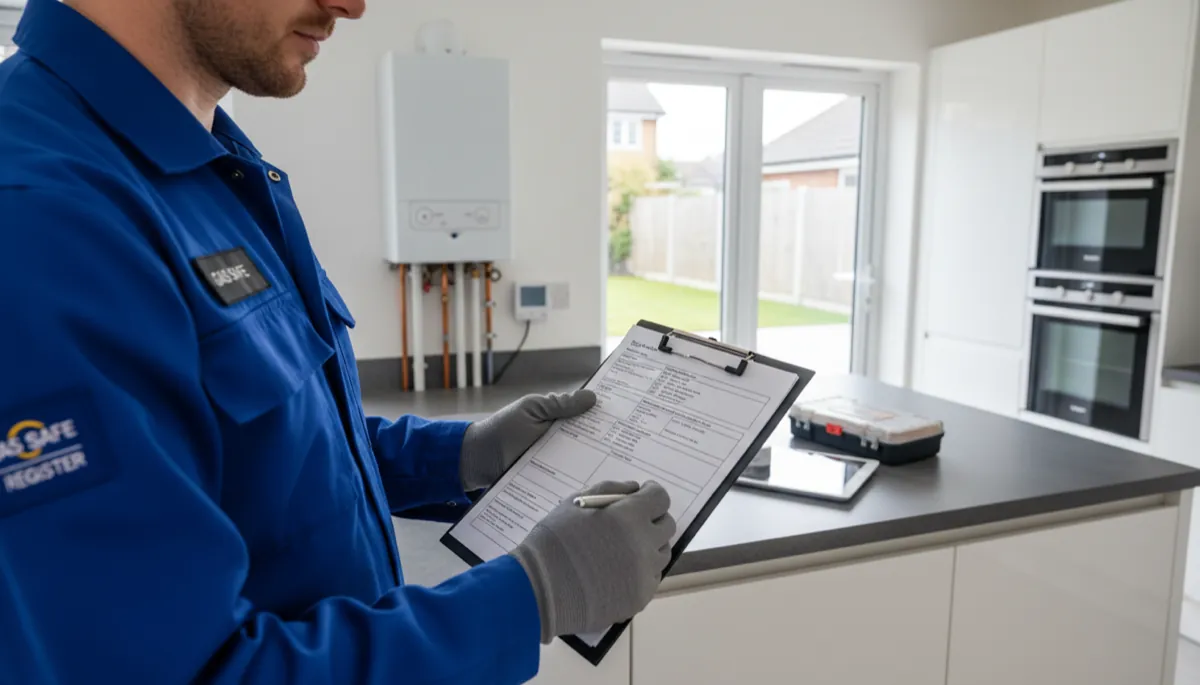
A self-employed heating engineer in the UK typically charges £250 to £450 per day for standard domestic work, with Gas Safe registered engineers commanding the higher end of that range. According to data from Hamuch, MyBuilder, and Gas Engineer Software, the average day rate sits around £380–£400 in 2026, though London engineers regularly charge £450–£650/day and rates in Scotland and the North can run £220–£320/day.
This guide is written for self-employed heating engineers working out what to charge per day — not homeowners wondering what to pay. It covers what day rates look like in 2026, how to calculate a rate that actually covers your costs, and when a day rate makes more sense than hourly billing. For the hourly approach, see the heating engineer hourly rate guide.
Key Takeaways
- Typical UK heating engineer day rate: £250–£450/day for domestic work; more for commercial or industrial contracts
- Gas Safe registered engineers typically charge 15–25% more than non-Gas Safe counterparts for the same day
- London and the South East sit 40–60% above the national average
- Day rates suit boiler installations, central heating installs, and full system upgrades — not call-outs and diagnostics
- Your rate must cover insurance, Gas Safe registration, van, tools, and unbillable admin — not just your time on the tools
Average Heating Engineer Day Rates UK 2026
| Experience Level | Day Rate Range | Notes |
|---|---|---|
| Starting out (0–2 years self-employed) | £180–£260/day | Building reputation; often lower to win first installations |
| Established (2–5 years, Gas Safe) | £260–£380/day | Consistent client base, repeat boiler work |
| Experienced (5–10 years, Gas Safe) | £350–£450/day | Full system installs, referral-led work, good reviews |
| Highly experienced (10+ years) | £420–£550/day | Commercial contracts, complex systems, underfloor heating |
| Commercial / industrial specialist | £500–£750/day | Industrial heating, large commercial plant, project management |
Sources: Hamuch UK Trade Rates Index 2026 (average day rate £259, range £199–£750), Logic4Training Gas Engineer Rates Report 2025 (average day rate £385.85 across experienced engineers), MyBuilder Central Heating Cost Guide January 2026 (£220–£300/day for domestic work).
If you hold Gas Safe registration and you’re charging under £250/day for boiler installations, run your costs before assuming that’s the right number. Registration fees, insurance, and van costs add up faster than most engineers expect.
Heating Engineer Day Rates by Region
Location shapes what the market will support more than almost any other factor.
| Region | Typical Day Rate |
|---|---|
| London | £450–£700 |
| South East (excluding London) | £350–£520 |
| South West | £270–£390 |
| East of England | £260–£370 |
| East Midlands | £240–£350 |
| West Midlands | £240–£355 |
| Yorkshire & Humber | £230–£340 |
| North West | £240–£355 |
| North East | £210–£310 |
| Scotland | £220–£330 |
| Wales | £210–£300 |
| Northern Ireland | £200–£285 |
Sources: Hamuch regional heating engineer rate data 2026, Checkatrade boiler installer pricing guides, MyBuilder regional cost comparisons.
These figures cover standard domestic work — new boiler installations, central heating upgrades, and system conversions. Commercial contracts, HVAC work, and industrial heating consistently command premiums above these ranges in every region.
Gas Safe Registration and What It Does to Your Rate
Gas Safe registration isn’t optional if you’re working on gas appliances in the UK — it’s a legal requirement under the Gas Safety (Installation and Use) Regulations 1998. But it also directly affects what you can charge.
| Registration Status | Typical Day Rate Premium |
|---|---|
| Gas Safe registered (domestic) | 15–25% above non-registered rate |
| Gas Safe registered (commercial) | 25–40% above domestic equivalent |
| Unregistered (non-gas work only) | Base rate — no premium |
Gas Safe registration costs around £163–£413 per year depending on your competency categories. Annual renewal is mandatory, and the certificate must be displayed to customers on request. According to the Gas Safe Register, only engineers on the official register can legally carry out gas work — working without registration carries an unlimited fine and potential criminal prosecution.
Clients and landlords increasingly verify Gas Safe status before booking. Many letting agents and property management companies require proof before any gas work proceeds on their properties.
When to Use a Day Rate vs Hourly Billing
Day rates and hourly rates suit different types of work. Using the wrong one costs you money.
| Job Type | Day Rate | Hourly Rate | Why |
|---|---|---|---|
| New boiler installation | Yes | Sometimes | Typically 5–8 hours — easier to quote a day rate |
| Full central heating install | Yes | No | Multi-day job; hourly creates uncertainty for both parties |
| Boiler service | No | Yes | 45–90 minutes; hourly or fixed price makes more sense |
| Fault diagnosis / no-heat call-out | No | Yes | Time unknown upfront; hourly protects you |
| System flush and inhibitor dose | Sometimes | Yes | Usually 2–3 hours; borderline |
| Underfloor heating install | Yes | No | Multi-day, complex — day rate with a clear total days estimate |
| Landlord gas safety certificate (CP12) | No | Fixed price | Set-fee market; trying to charge hourly here loses you work |
The rule: if you know the job will take most of a working day or multiple days, quote a day rate with a clear estimate of how many days. If the duration is uncertain, hourly protects you better. For fixed-price market work (services, CP12s), use fixed pricing.
How to Calculate Your Day Rate
Most heating engineers set a rate based on what they’ve seen others charge or what a customer will accept. That approach leaves money on the table. Start from your actual costs.
Step 1 — Work out your annual costs
| Cost | Typical Annual Amount |
|---|---|
| Gas Safe registration (domestic categories) | £163–£413 |
| Public liability insurance (£2m cover) | £350–£700 |
| Employers’ liability (if you have any staff) | £300–£600 |
| Van running costs (fuel, tax, servicing) | £4,000–£7,000 |
| Tools and equipment | £800–£2,000 |
| Phone, accounting software, quoting tools | £500–£1,200 |
| ACS re-assessment (every 5 years, annual fraction) | £80–£160 |
| Training, CPD, trade association membership | £200–£600 |
| Total | £6,393–£12,673 |
Step 2 — Calculate your billable days
A 52-week year contains around 261 working days. Subtract:
- 28 days annual leave
- 8 bank holidays
- 10 days sick, admin, and quoting (conservative estimate)
That leaves roughly 215 billable days. Many heating engineers bill 180–200 days in practice once you account for travel, parts runs, and non-billable gaps between jobs.
Step 3 — Add your target income
If you want to take home £45,000 per year after costs:
(£45,000 target + £9,500 average annual costs) ÷ 190 billable days = £287/day minimumAt 190 days billed and £287/day, you cover costs and hit your income target with nothing left over. To allow for unexpected costs, slow weeks, and the fact that not every day runs to plan, most experienced engineers add a 20–25% buffer:
£287/day × 1.25 = £359/dayThat sits comfortably within the market range for an experienced Gas Safe engineer outside London.
What to Include in a Day Rate Quote
A day rate quote should make it clear what’s covered and what isn’t. Ambiguity leads to disputes.
Always include:
- Your day rate and number of days estimated
- Start and finish times you’re pricing for (typically 8am–5pm)
- Whether materials are included or quoted separately
- What happens if the job runs over (extra half or full day)
- Payment terms (30% deposit, remainder on completion is common for installations)
State clearly what’s not included:
- Materials (always quote separately or via a detailed schedule)
- Skip hire, scaffolding, or specialist access equipment
- Any work outside the agreed scope that emerges on-site
Most heating engineers provide a written quote that spells out scope, day rate, materials estimate, and terms. This isn’t paperwork for its own sake — it’s the document that protects you if a client disputes your bill.
Day Rate vs Fixed Price for Boiler Installations
New boiler installations are the most common day-rate job for heating engineers. Most are completed in one day by a single engineer, though complex system changes or older properties can extend to two days.
| Installation Type | Typical Duration | Approach |
|---|---|---|
| Combi boiler swap (like-for-like) | 4–6 hours | Fixed price or 1-day rate |
| System boiler replacement | 5–8 hours | 1-day rate |
| Conversion (system to combi) | 6–9 hours | 1-day rate, possibly 2 |
| New installation (no existing system) | 2–4 days | Day rate with total days estimate |
| Full central heating replacement | 3–7 days | Day rate per engineer per day |
According to MyBuilder’s 2026 price guide, customers pay £1,500–£3,000 for a new combi boiler installation including the unit. A day rate of £350–£450 for the labour component (with the boiler as a separate supply item) is standard across most regions.
Frequently Asked Questions
What is the average day rate for a heating engineer in the UK? According to Hamuch’s 2026 trade rates index, the average heating engineer day rate is approximately £259, though Logic4Training’s 2025 industry data puts the figure closer to £385.85 for experienced, Gas Safe registered engineers. The range is wide — £200/day at the lower end in lower-cost regions, £700+/day for commercial specialists in London.
Do I need Gas Safe registration to charge a day rate? You don’t need Gas Safe registration to work as a heating engineer on non-gas systems — underfloor heating, heat pumps, and mechanical systems fall outside the Gas Safe requirement. However, if you work on any gas appliance, boiler, or gas pipe, the Gas Safety (Installation and Use) Regulations 1998 make registration a legal requirement. Working on gas without registration risks unlimited fines.
Should I charge a day rate or hourly rate for a boiler installation? For a standard combi-to-combi swap or system boiler replacement, most engineers use a day rate or a fixed total price for the labour element. This gives the customer certainty and you a clean billing structure. Hourly billing suits shorter, unpredictable jobs like fault diagnosis or emergency call-outs where the total duration isn’t known upfront.
How many billable days does a self-employed heating engineer work per year? After accounting for annual leave, bank holidays, training, and non-billable time (quoting, admin, parts runs), most self-employed heating engineers bill between 180 and 210 days per year. This is a useful figure to plug into a day rate calculation to make sure your rate actually covers your annual costs and income target.
How does my day rate compare to employed heating engineers? According to the Office for National Statistics (ONS) ASHE survey 2025, the median employed gas and heating engineer in the UK earns approximately £34,000–£40,000 per year. Self-employed engineers billing 190 days at £350/day gross £66,500 before costs and tax — the higher gross reflects the lack of employee benefits, irregular income, and business overheads you carry yourself.
Building Your Business Alongside Your Rate
Getting your day rate right matters, but rate alone doesn’t win work. Most established heating engineers get the majority of their jobs through word of mouth and repeat clients — and the easiest way to accelerate that is a professional online presence.
A well-built website with your Gas Safe number, service areas, and real customer reviews does the work you can’t — answering enquiries overnight, showing up on Google when someone searches “heating engineer [your town]”, and giving new clients enough confidence to call rather than scroll past.
Digital Tradies builds websites for heating engineers from £49/month, no upfront cost, live in 3 days. If you’re getting work through Checkatrade or MyBuilder and paying their fees, a decent website usually pays for itself within a month or two of reducing your reliance on directories. See how it works.
For more on pricing as a heating engineer, the heating engineer hourly rate guide covers call-out fees, minimum charges, and emergency rate structures.